
From Field to Forum: RISE researchers and alumni share learnings
2 December 2025
New, current, and former members of the RISE program are making their mark, presenting research that directly impacts urban health, environmental management, and community resilience. Here's how RISE cultivates the next generation of researchers and has underpinned the career trajectories of others.
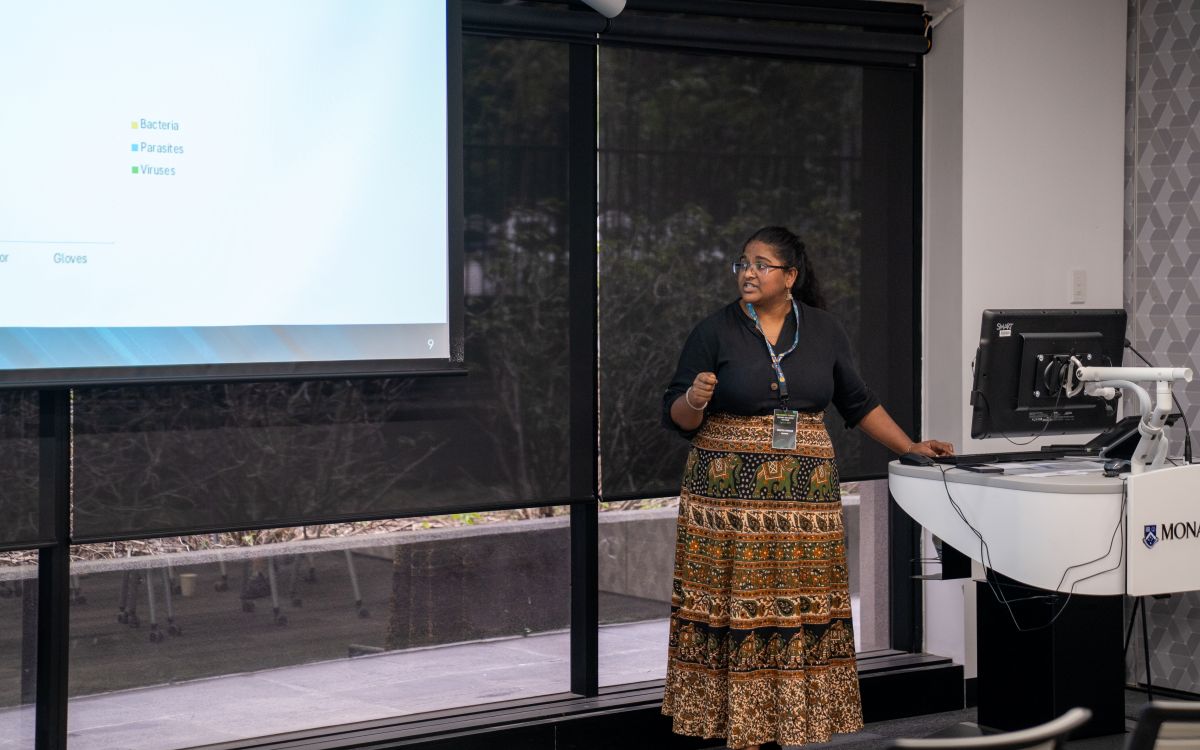
Shwetha (above), joined the RISE PhD program in 2024
Shwetha Sukumar, RISE PhD candidate, showcased her research at the School of Public Health and Preventive Medicine, Monash University, PhD Student Conference earlier this year.
Shwetha’s research investigates how children in informal settlements are exposed to pathogens from faecal contamination, identifying key sources and pathways to help reduce health risks for vulnerable communities.
She writes: ‘My work harmonises sampling approaches across diverse environments — from floors (outdoor, porch, indoor) and food preparation areas to children’s hands and toys, food and drinking water — to trace how pathogens move through everyday settings.
“This research connects the field, the lab, and the community, working to understand how people interact with their environments and the pathogens that circulate within them,” says Shwetha. “It’s about seeing disease risks in a more holistic way, and remembering that behind all the data are real families and communities.”
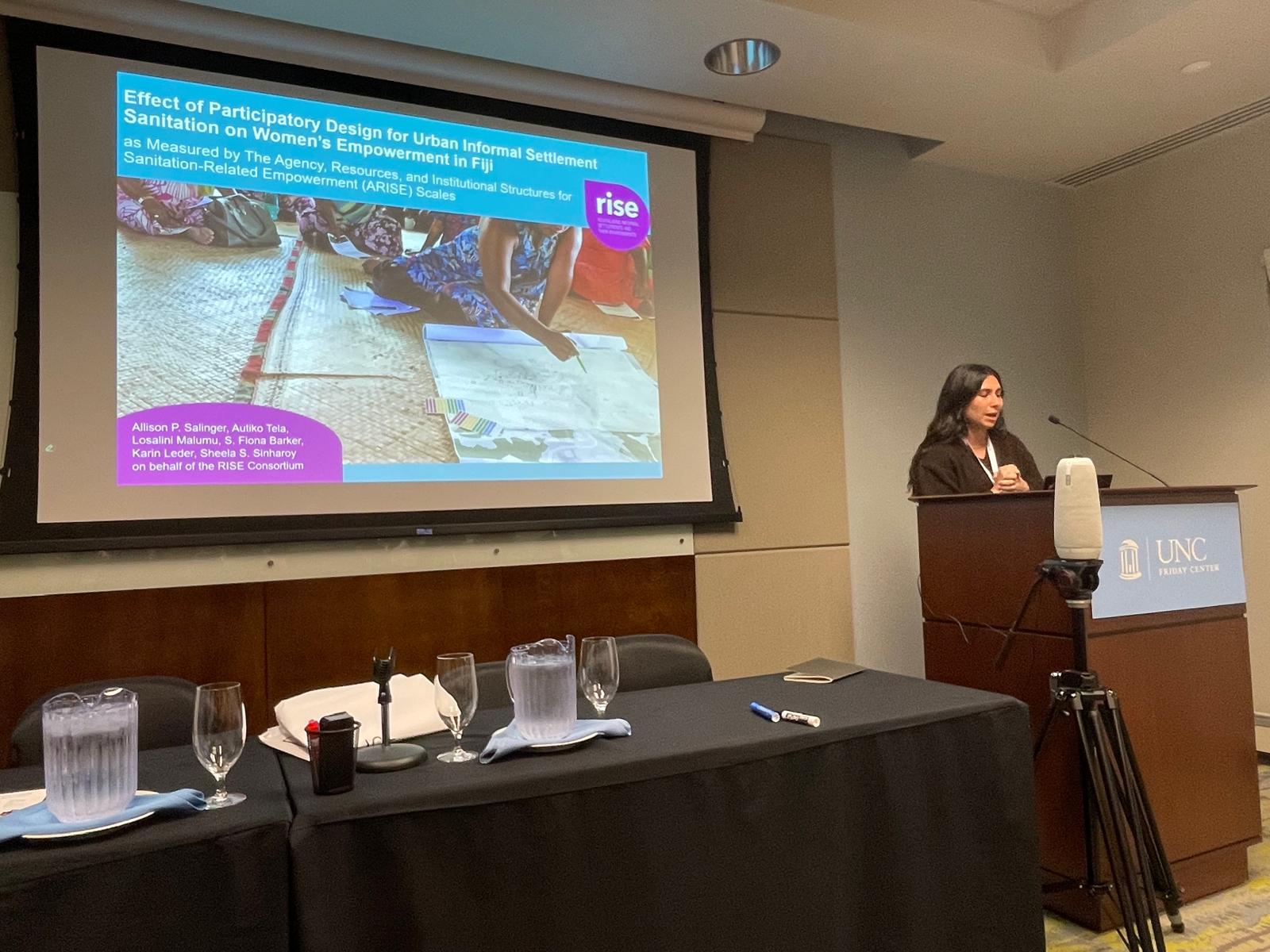
Collaborating Staff Researcher, Allison (above), joined RISE in 2020
Allison Salinger, a researcher based at Emory University (U.S.) presented “Effect of Participatory Design for Urban Informal Settlement Sanitation on Women’s Empowerment in Fiji as Measured by The Agency, Resources, and Institutional Structures for Sanitation-Related Empowerment (ARISE) Scales,” at the UNC Water and Health Conference in North Carolina.
Allison writes: Poor sanitation conditions disproportionately affect women and perpetuate gender inequality and disempowerment. RISE’s participatory design approach aimed to give all participants, particularly women, power over the infrastructure design choices that will affect them and their households. We used the ARISE scales to measure the effect of the RISE participatory design activities on women’s empowerment. We found that engaging women in participatory design for sanitation infrastructure can positively impact women’s decision-making empowerment at both the household and community levels.
The UNC Water and Health Conference brings together water and sanitation practitioners, policymakers, and researchers to share evidence and learnings in an effort to move the sector toward achieving universal access to safe water, sanitation, and hygiene services. The conference is in its 14th year and, in that time, has attracted 6,000+ registrants from 150+ countries.
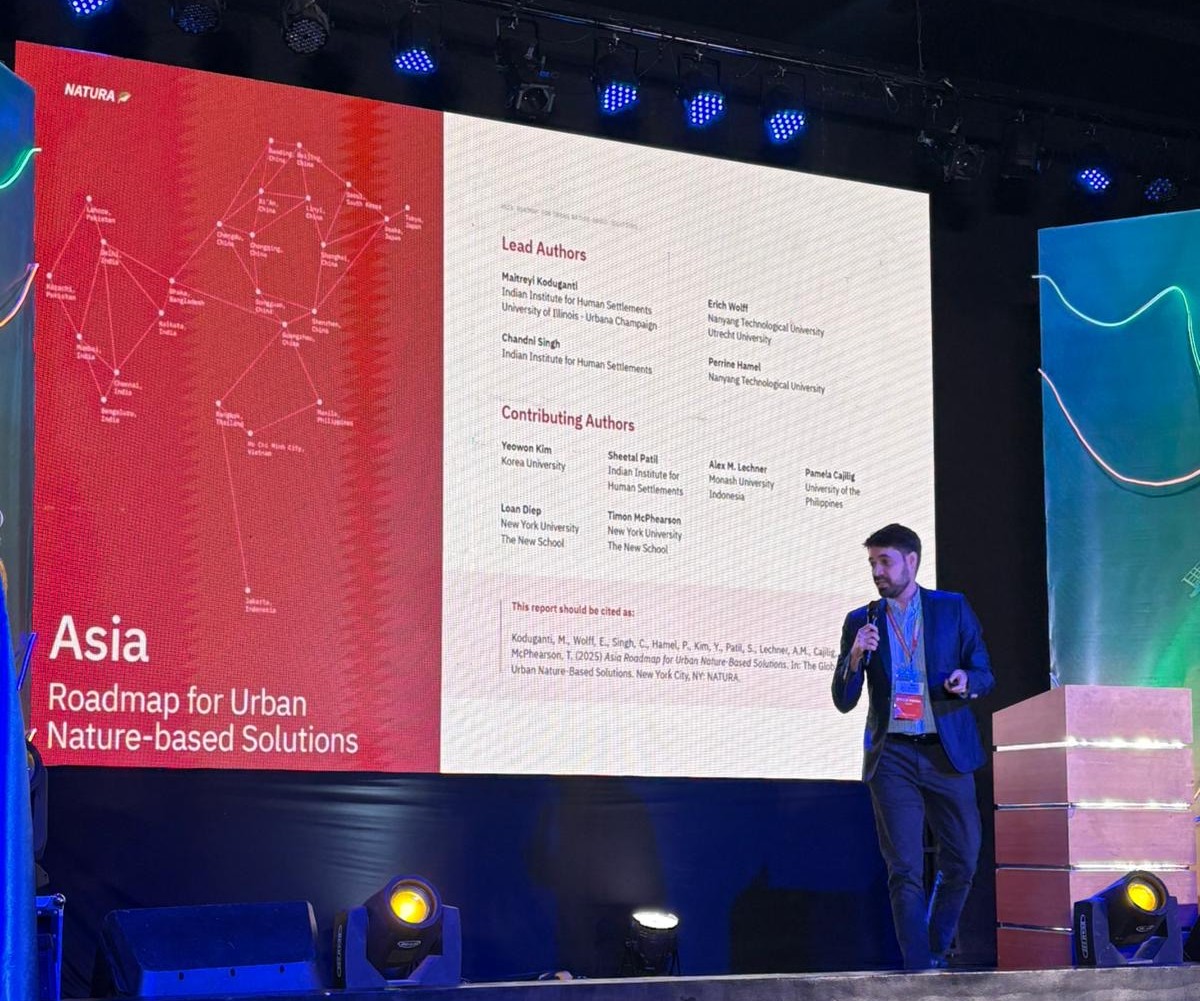
RISE Alumni, Erich (above)
Past RISE PhD candidate, Dr Erich Wolff, based at Utrecht University (Netherlands), says lessons learned from his time at RISE have been instrumental to his current work on the implementation and governance of nature-based solutions (green walls, rain gardens, constructed wetlands, etc.) in Asia and Europe.
He says, “Developing my doctoral research within the RISE programme taught me how to work as part of an interdisciplinary team. The experience of collaborating with the RISE program has showed me the power of meaningfully engaging with colleagues from different countries, with different disciplinary, cultural, linguistic and personal backgrounds. Lessons from this time are still reflected in my current research."
