
Addressing AMR in Informal Settlements: from samples to policy
23 November 2025
Addressing AMR in Informal Settlements
Antimicrobial resistance (AMR) occurs naturally, but is exacerbated by factors such as inappropriate use of antibiotics, and exposure to animal or human faecal waste. Over time, this can promote spread of resistance, making common infections harder - and sometimes impossible - to treat. AMR is now recognised as one of the most serious global health challenges, putting decades of medical progress at risk.
In recognition of World AMR awareness week, Dr Fiona Lynch explains the RISE program’s efforts to address this major problem.
How RISE Is Addressing AMR in Informal Settlements: from samples to policy
Informal settlements are high-risk environments for the spread and amplification of antimicrobial resistance (AMR). Overcrowding, inadequate sanitation, unsafe water, close proximity between people and animals, and informal access to antibiotics all create ideal conditions for resistant pathogens to emerge and circulate (The unseen climate health risks of antimicrobial resistance in urban informal settlements - Monash University).
The Revitalising Informal Settlements and their Environments (RISE) program takes an integrated, water-sensitive approach to tackling the risks of exposure to gastrointestinal pathogens (gut microbes) and AMR genes in Makassar, Indonesia, and Suva, Fiji.
Here’s how RISE is tackling the issue in order to help reduce AMR:
RISE: Improving sanitation and reducing faecal exposure
By installing decentralised sanitation and green infrastructure — such as improved sewage management, constructed wetlands and better drainage — RISE is addressing human contact with faecally contaminated water and soil. The approach aims to reduce the environmental reservoir of harmful microbes and resistant bacteria. RISE is also rigorously testing the impacts of infrastructure delivery through a randomised controlled trial, and is employing a range of lab-based approaches to examine enteric pathogens and AMR genes in human and environmental samples.
BRACC: Building Resilience to the intersecting global threats of AMR and Climate Change
In a new program funded by the Novo Nordisk Foundation, RISE samples from Indonesia are being tested to specifically understand sources and drivers of AMR in informal settlements. Through long read genomic sequencing of cultured enteric organisms we are investigating the evolution of AMR through One Health compartments and applying advanced modelling approaches to predict AMR risk in informal settlements under our changing global climate.
DisAMR: Disruption of AMR transmission in urban informal settlements: pathways for policy action
The RISE team based at UNHAS co-designed, with the International Centre for Antimicrobial Solutions (ICARS, International Centre for Antimicrobial Resistance Solutions), a research program to enhance the capacity of communities and local governments to disrupt AMR in informal settlement environments. This will involve the maintenance of sanitation infrastructure and adoption of hygiene and community-led AMR prevention initiatives. Through engaging with all relevant stakeholders and generating evidence of impact, the proposed work aims to support government policy and planning processes.
Strengthening local capacity and community co-design
The RISE, BRACC and disAMR approaches aim to build research to understand how better management of human faecal waste and reduced contact between people and contaminated environments impacts on AMR.
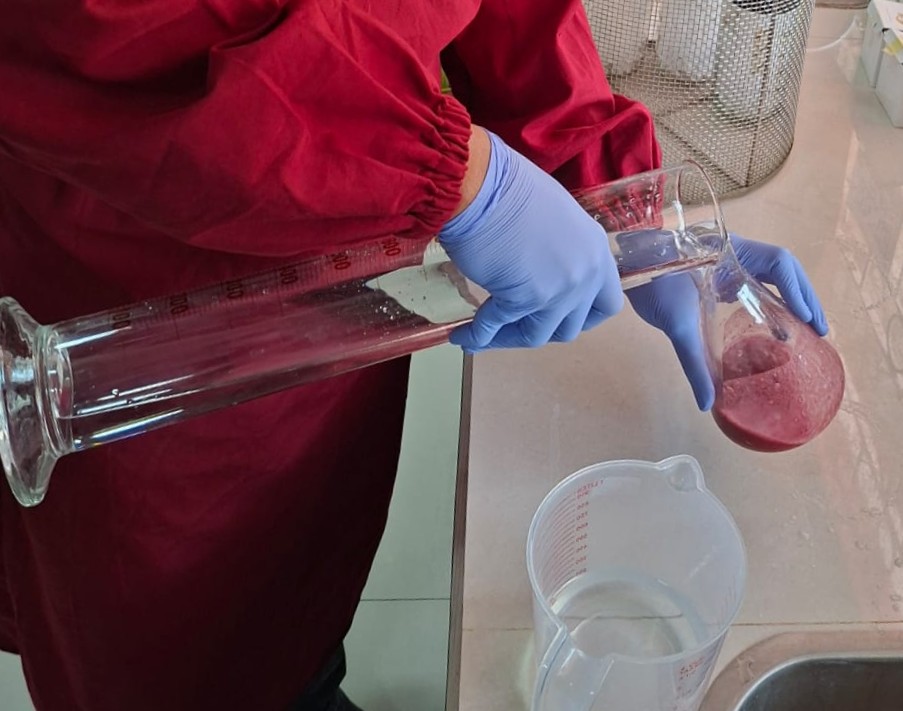
Image: Preparing media to grow and identify microbes collected by RISE teams in informal settlements
