
Building ownership: the role of communities and authorities in maintaining RISE sanitation systems
By Nur Intan Putri, Noor Ilhamsyah and Annisa Fildza Shaffira
1 March 2025
As our infrastructure in Makassar’s informal settlements transitions to the maintenance phase, this marks a new chapter of collaboration between our communities and local authorities. This phase is critical, as the sustainability of the RISE systems depends on the ongoing involvement of both groups.
Community members and local authorities play distinct but equally important roles in maintaining the infrastructure. While communities are the primary beneficiaries, local authorities provide vital policy support. As responsibility from RISE is handed over, ensuring the long-term functionality of the RISE sanitation systems requires both groups to take ownership and work together on sustainability.
Our team’s operations and maintenance (O&M) activities are designed to keep the infrastructure functioning well and prevent damage. Our key focus is empowering residents to incorporate best practices into their daily routines – and learn from their experiences as well. For example, in maintaining constructed wetlands, residents have shared insights on plant pruning and using clippings for compost. Similarly, residents are helping prevent pipe blockages by avoiding the disposal of harmful items like plastic waste, wet wipes, and hair, which can obstruct pressure tanks. Our team complements this local knowledge by advising against over-use of chemical cleaners, which can harm wetland plants.
Collective responsibility is vital for maintenance. Residents are discussing potential strategies like organising monthly contributions to cover electricity costs for pressure tanks and desludging septic tanks. Local authorities, such as the Public Works Department, are also learning how to monitor key infrastructure components and manage repairs effectively.
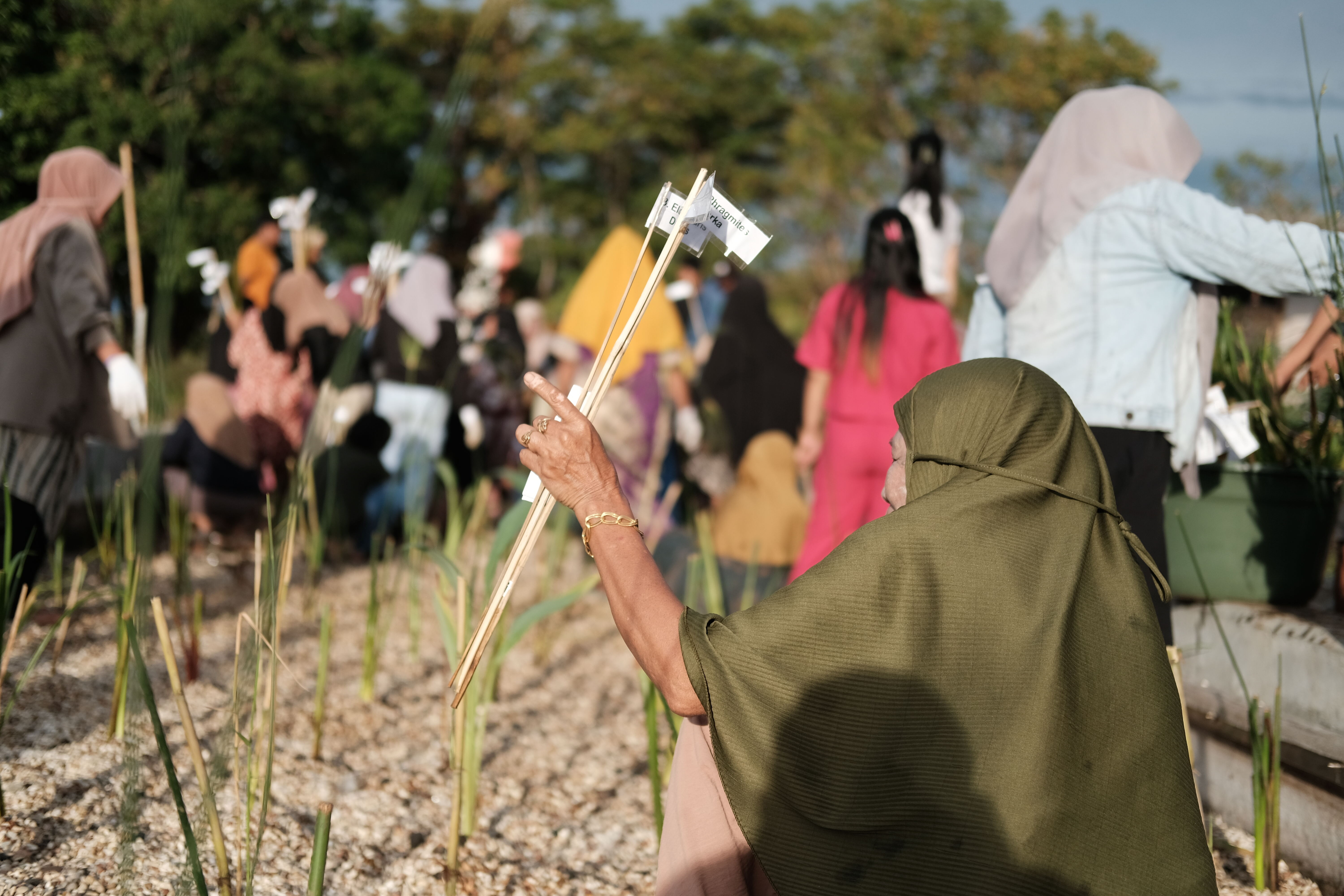
Empowering communities to take responsibility takes time. Our O&M engagement program started with activities like transect walks and community wetland planting activities to create strong memories for residents about the infrastructure connected to their homes. Big gatherings and cluster meetings followed, which combined discussions, reflections, hands-on practise, and competitions for various age groups to make the experience fun and inclusive.
The involvement of KePoLink (Community Engagement Council) members and community champions has been crucial, helping manage events to ensure widespread participation. Creative tools like illustrations, presentations and booklets were developed and tested based on community behaviour, and short videos featuring local influencers raised awareness about the benefits of the RISE systems.
Inclusive involvement at every stage — from planning, to construction, and ongoing maintenance — is essential for long-term sustainability. When communities take ownership, projects are more likely to thrive and overcome challenges, ensuring long-term success.

Cover image: Residents help fill a wetland with plants, as part of RISE’s Community Planting Day. Photo: Adrianto Hidayat.
