
Exploring the evolution of antimicrobial resistance in ‘invisible’ informal settlements
26 June 2025
Antimicrobial resistance (AMR) is a growing global health threat — and urban informal settlements are on the frontlines of this challenge. Poor sanitation, overcrowding, and high antibiotic use make these environments ideal for the spread of resistance across human, animals, and environmental settings.
RISE researchers and global collaborators are investigating how AMR spreads in these overlooked communities, and how climate change may be compounding the risks. Informal settlements are often ‘invisible’ in mainstream AMR research, yet understanding how environmental, human and animal factors drive AMR in these areas is essential to reducing its impact.
With a grant from the Novo Nordisk Foundation, innovative research is uncovering new insights into AMR risk factors, with global collaborators developing strategies to tackle this growing problem.
A multi-disciplinary approach to a complex problem
Australian, Indonesian, and Swiss researchers, supported by a new generation of PhD students, are collaborating to combine culture-based methods — which involve growing microbes in the lab — with cutting-edge whole genome sequencing — the direct analysis of genetic material from bacteria grown from culture plates, the environment, and stool samples.
The project is led by RISE Co-Director Professor Karin Leder from Monash University’s School of Public Health and Preventive Medicine. The project’s manager at Monash, Fiona Lynch, says combining environmental, human and climate data is key to unlocking new insights. “This combination of approaches provides a more complete picture of AMR transmission and informs the sustainability of environmental AMR mitigation,” Lynch says.
RISE’s Pathogens and Genomics Lead Rebekah Henry highlighted that “it’s just not about detecting which resistance genes are present, but also how they’re moving across environmental, animal, and human reservoirs in informal settlements”.
“This involves generating long-read sequencing data, which we didn’t have access to before,” Dr Henry says. “Generated through Nanopore technology, it gives us a much more detailed view of how AMR is evolving – beyond what traditional sequencing could show. We’re really excited to explore how bacterial resistance is evolving over time and across different environments.”
Modelling the impacts of climate on AMR
Advanced epidemiological modelling is a new area of collaboration for RISE. This work is being led by the University of Zurich’s Professor Adrian Egli, Director of the Institute of Medical Microbiology and Chair of Medical Microbiology at the university’s medical faculty.
Egli and his Monash colleague Dr Nenad Macesic are developing sophisticated models that simulate how different environmental factors — such as temperature shifts, rainfall patterns, and infrastructure changes — affect the transmission dynamics of AMR.
“Using machine learning algorithms, we can predict how interventions – like RISE’s improved water and sanitation systems, or changing climate patterns – might influence the spread of resistant bacteria,” Egli explains.
“These models can help us understand AMR transmission in informal settlements, and also offer potential solutions for mitigating the risks.”

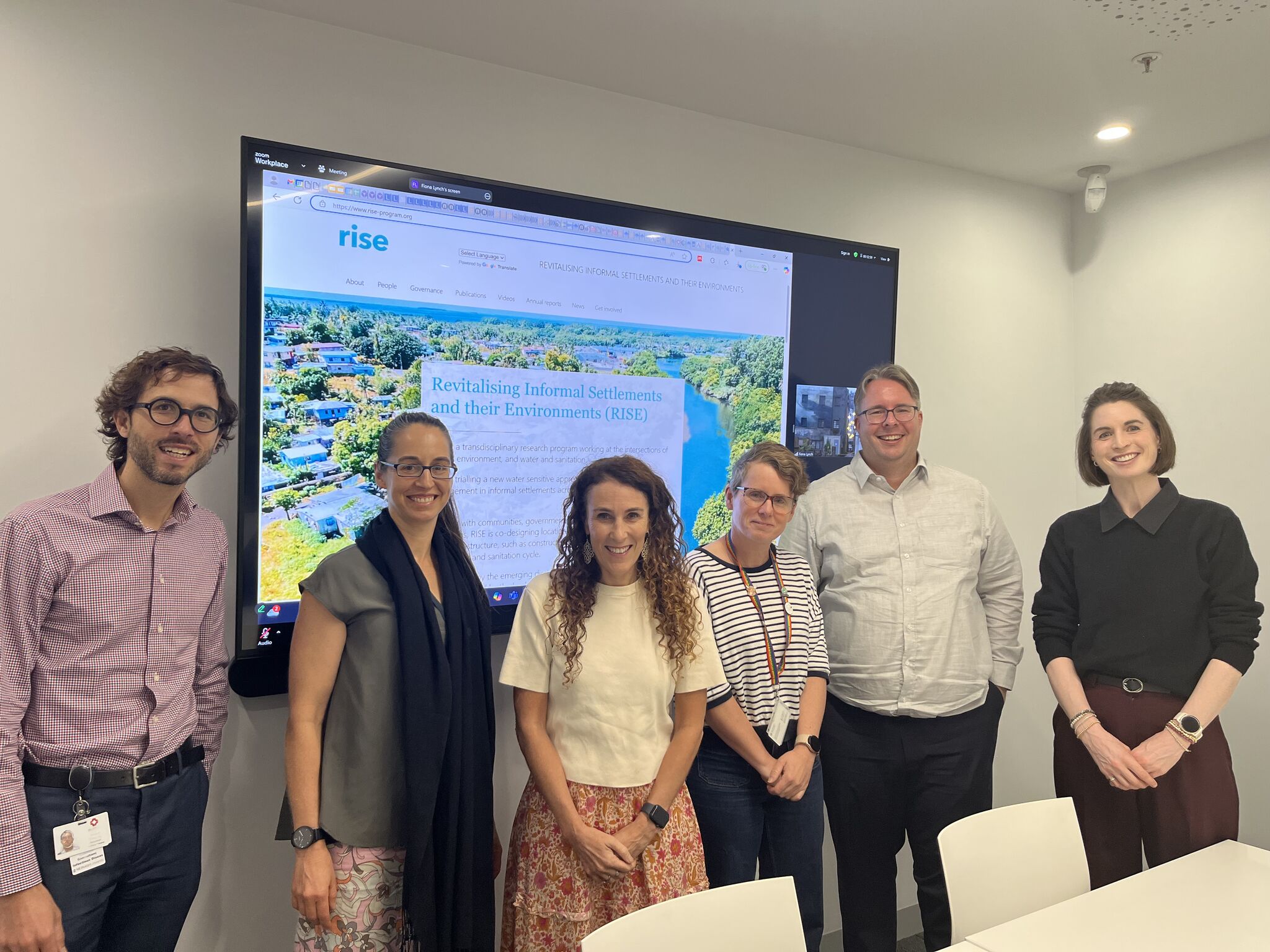
Collaborators from University of Zurich and Monash University: (L-R) Nenad Macesic, Fiona Barker, Karin Leder,
Rebekah Henry, Adrian Egli, and Fiona Lynch.
A new generation of AMR researchers
Andi “Zul” Zulkifli Agussalim, a PhD candidate at Hasanuddin University in Makassar, Indonesia, is analysing thousands of stool and environmental samples that have been collected from the RISE settlements. He is using Nanopore sequencing – the technology offering the resolution needed to explore the genetic evolution of AMR in great detail .
“The idea that bacteria and their resistant genes can travel through wastewater, soil, animals, and humans — and that we might interrupt that journey — is both scientifically fascinating and incredibly important.
“I’m especially looking forward to collecting data across different One Health domains, and connecting that information through sequencing and bioinformatics,” he says.
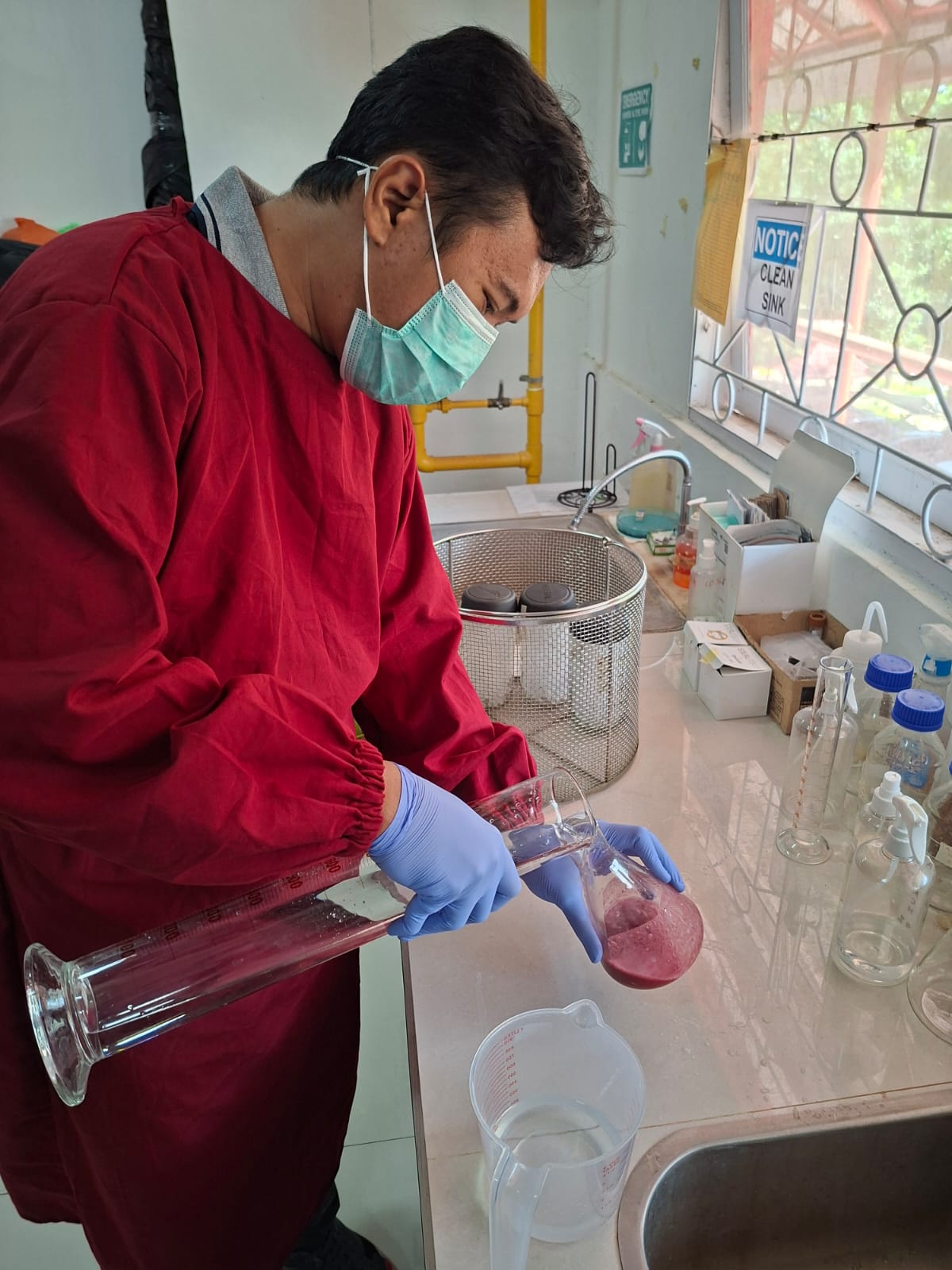
Andi “Zul” Zulkifli Agussalim prepares growth media needed to isolate
the bacterial communities of interest.
Expanded global understandings of AMR
Henry points out that, “A lot of the assumptions we’ve made about AMR have been from clinical and high-income settings. “It’s been incredible to watch Zul grow as a researcher. He’s not just contributing to a global health issue, he’s also part of a larger movement to build scientific capacity in countries where this research is most needed.”
Lynch agrees: “Indonesia is a key site for this research. AMR is a growing concern, and there is a real lack of environmental data on AMR. This project fills a critical global gap and provides data that can be used to shape health interventions worldwide.”
With the work now underway in Indonesia, the team is interested in testing these approaches in other regions like Fiji – where the other arm of RISE is based – and the challenges of climate change and AMR also intersect in informal settlements.
The international team is optimistic for the findings to inform global health policies and practical real-world solutions in Indonesia, and other regions with rapidly growing urban communities facing similar challenges.
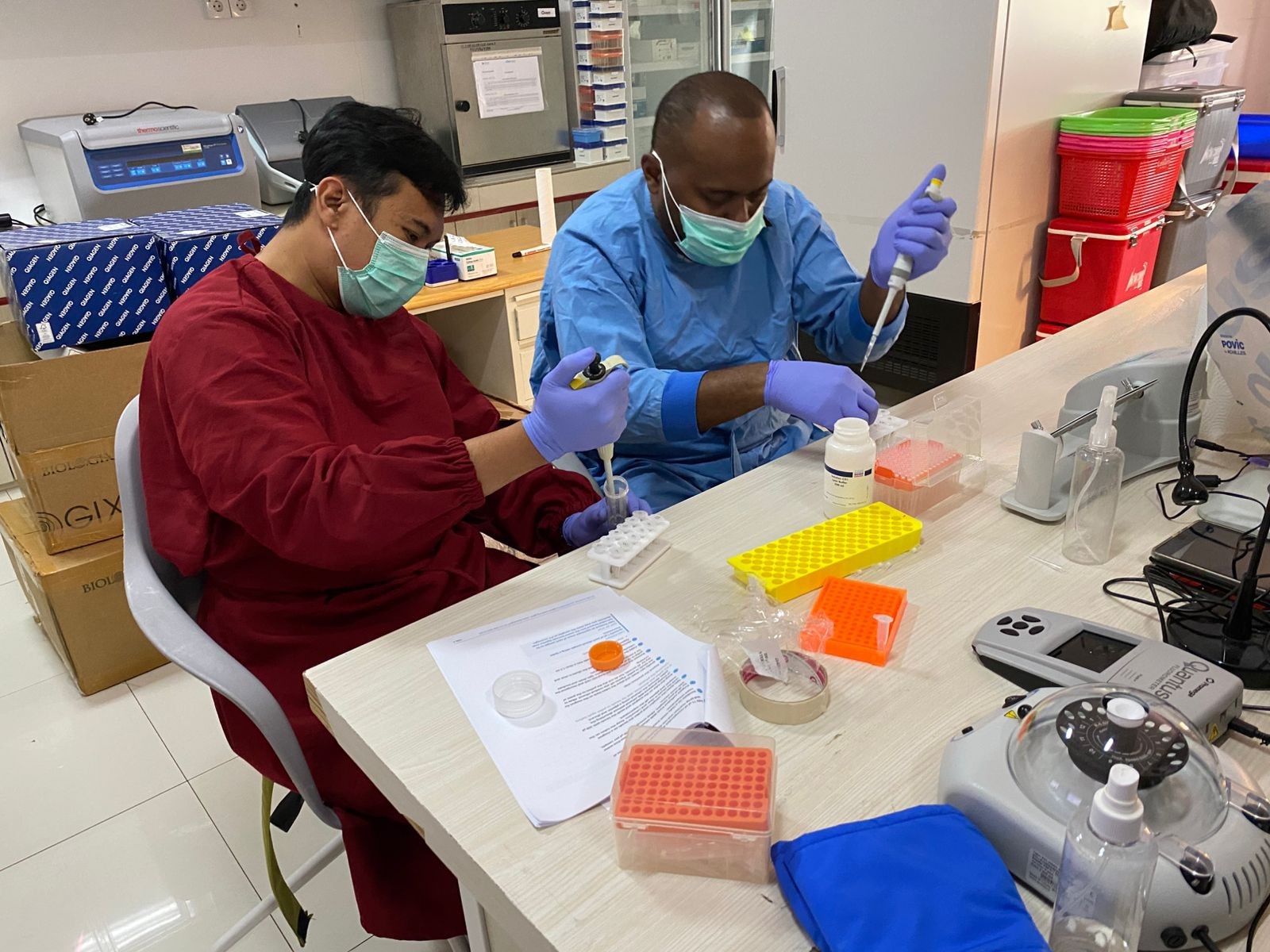 Cross-country training: Zul and RISE Fiji Laboratory Scientist Revoni Vamosi are working to improve understandings
of pathogens in informal settlement environments in Indonesia and Fiji.
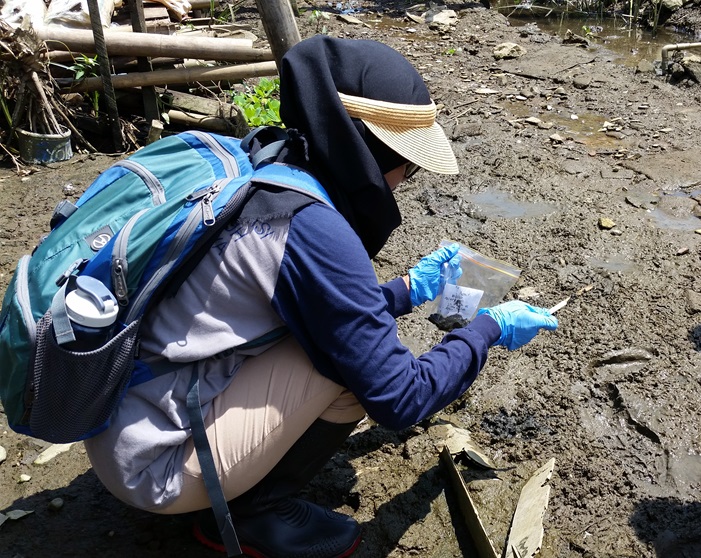
Cover image: Collecting soil samples in informal settlements in Makassar, Indonesia.
