Education and gender gaps in informal settlements
Read the paper: Escobar Carias, M S., Black, N., Johnston, D., et al. 2025, Review of Economics of the Household

Summary
By Michelle Escobar
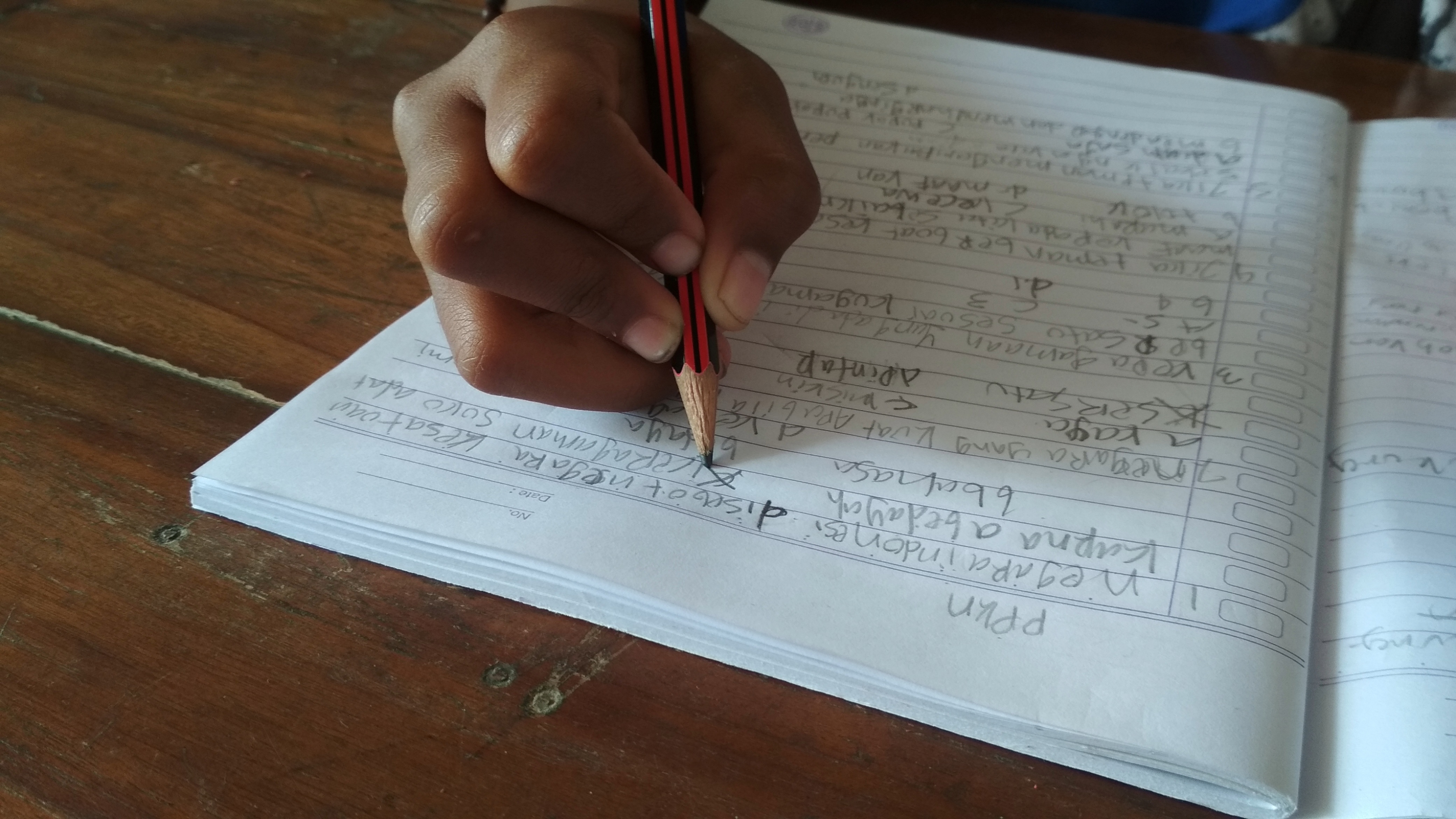
In many low- and middle-income countries, boys are falling behind girls in educational attainment, particularly in disadvantaged communities. Our research explores how boys and girls living in RISE settlements spend their time on education, work, and leisure activities, and how this may contribute to the growing gender gap in educational outcomes.
We find significant differences in how much time boys and girls dedicate to school and homework, with boys spending less time on education and more on leisure activities. In contrast, girls spend more time helping with household chores, which may explain why parents spend more time helping girls with their homework and reading to them.
The gaps are larger in families facing financial hardship, or where parents have lower levels of education, putting boys from the most disadvantaged backgrounds at even greater risk of missing out on educational opportunities.
These patterns could have long-term consequences. Boys who spend less time on education may face poorer job prospects and increased risks of criminal behaviour in the future. Raising awareness among parents about the importance of time spent on education could help reduce these gaps and improve outcomes for boys. School-based initiatives, such as tailored teaching strategies or classroom interventions, may also be needed to close these gaps in educational time investments.
Our future work will continue to track these children’s time use. With new data, we will be able to assess whether the settlement revitalisations have influenced children’s time spent on education, work, and leisure. This longitudinal analysis will provide a deeper understanding of how these changes can shape children's development in challenging environments.